No hot water? Start here — the first five minutes
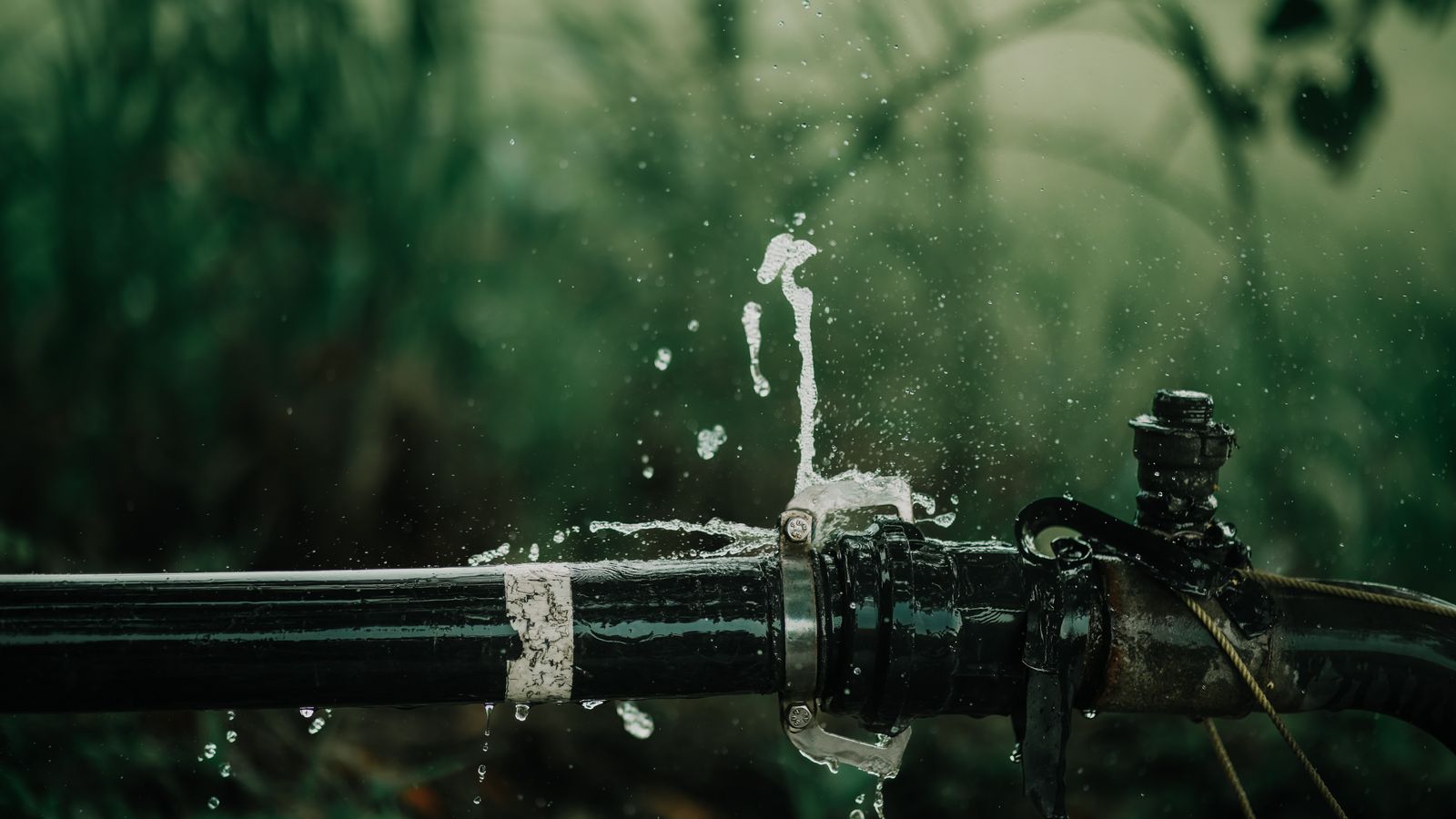
A dead water heater is stressful, but the first steps are simple and safe. Work through this page in order — stop the damage first, then check the easy things, then call with the right information ready.
Already know you need a contractor?
Skip the checklist — one call connects you with an independent local contractor who serves your city.
Step 1 — If water is leaking, stop it first
- Shut off the water to the heater. Find the cold water pipe entering the top of the tank and turn its valve clockwise until it stops. This stops the tank refilling while it leaks.
- Turn off the energy. Electric unit: switch its breaker OFF at your panel. Gas unit: turn the control dial on the front of the heater to OFF.
- Protect the area. Move anything water can damage, and put a bucket or towels under the leak. Do not stand in standing water near electrical outlets or the panel.
- Do not plug or cap the T&P relief valve (the valve with a small lever, near the top of the tank) if that is what is dripping. It is a safety device; a dripping one needs a diagnosis, not a plug.
If water is coming from the tank body or pooling at the base, the tank itself has failed — that cannot be repaired, and it can worsen suddenly. Keep the water off and go to Step 3.
Smell gas? Stop here. Leave, don't touch switches, and call 911 or PG&E (1-800-743-5000) from outside. Come back to this page only when it's been cleared.
Step 2 — No leak, just no hot water? Check the easy things
Electric units:
- Breaker tripped? Check the panel for the water heater breaker sitting halfway. Reset it once. If it trips again, leave it off and call — repeated tripping is a fault, not a nuisance.
- Reset button. Many electric tanks have a red reset button behind an upper access panel. If you are not comfortable opening panels near wiring, skip this and call.
Gas units:
- Is the pilot lit? Look through the small inspection window near the bottom. If it's out and you don't smell gas, the relighting instructions are printed on the tank label — follow them exactly, or skip to Step 3.
- Control dial setting. Make sure the dial wasn't bumped to "Pilot" or "Vacation."
- Error codes. Newer units blink a status light in a pattern. Count the blinks — the contractor will ask, and it speeds up the diagnosis.
Either type:
- Partial hot water that runs out fast usually means one failed element (electric), a broken dip tube, or heavy sediment — a repair conversation, covered on the repair page.
- Check the unit's age on its rating label. Tank units past 10–12 years are at end of life; the repair-vs-replace table shows how contractors make that call.
Step 3 — Call, with four things ready
When you call (408) 555-0100, having these ready gets you routed and quoted faster:
- Your city
- Leaking, or just no hot water? Say it first — it sets the urgency.
- Gas or electric, and the tank size (both on the rating label, with the unit's age)
- Anything you found in Step 2 — a tripped breaker, an unlit pilot, a blink code
We connect you with an independent local contractor who serves your area. They diagnose on site, quote before work begins, and you decide whether to hire them. If it's the middle of the night and the water is shut off safely, you can also leave a message and pick the time for the contractor to call you back.
Related pages: Water heater repair · Water heater replacement · 2026 cost guide
Frequently asked questions
My water heater is leaking. What should I do first?
Turn off the cold water supply to the unit — the valve on the cold pipe entering the top of the tank — and turn off its energy source (the breaker for electric, the gas control to OFF for gas). Then call. Water leaking from the tank body itself cannot be repaired; the unit needs replacement, and a failing tank can let go suddenly, so do not just watch it.
I smell gas near my water heater. What do I do?
Leave the area, do not flip switches or light anything, and from outside or a neighbor's home call 911 or PG&E's gas line at 1-800-743-5000. Do not try the checks on this page until the gas company or a contractor says it is safe.
Can I relight the pilot light myself?
Manufacturers print relighting instructions on the tank label, and many homeowners follow them safely. If you smell gas, if the instructions are missing or unclear, or if the pilot will not stay lit after one careful try, stop and call a contractor — a pilot that keeps going out is a symptom, not the problem itself.
How fast can a contractor get here?
It depends on the day and the contractor's schedule, which is exactly why the call matters: say 'no hot water' or 'active leak' when you call, so your call is routed as urgent. Standard tank swaps are the most common job local contractors do, and are often possible the same day a unit fails.
Ready to talk to a local contractor?
Call (408) 555-0100 — or, if now is not a good time to talk, leave a message and a contractor will call you back.